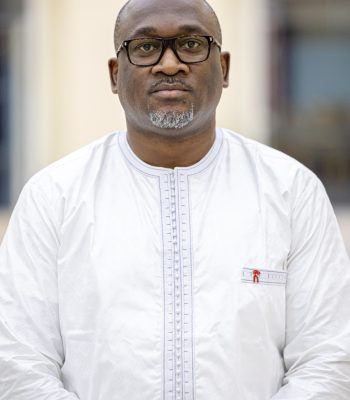
Mr. Félix LAMAH
Minister of Agriculture of Guinea | President of CICC
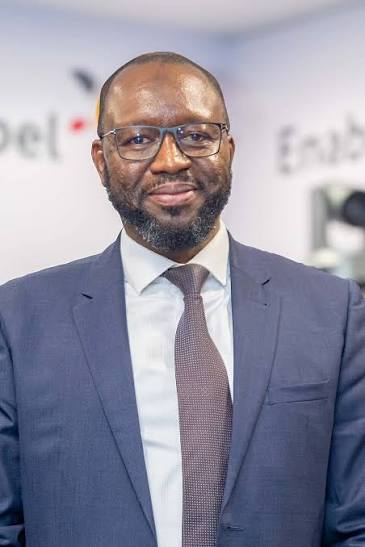
Mr. Aboubacar Kourouma
Minister of Industry and Commerce of Guinea | Co-President of the CICC

Born from the will of the Governments of cashew-producing countries, the International Consultative Cashew Council (CICC) was established on November 16, 2016, in Abidjan, on the sidelines of the second edition of the International Exhibition of Cashew Processing Equipment and Technology (SIETTA), which took place in the capital of Côte d’Ivoire from November 17 to 19, 2016. Following the fifth ordinary session of the Council of Ministers of the Institution held from April 24 to 26, 2025, in Conakry, Gunea, the rotating Presidency is now held by Guinea, succeeding Ghana.
The CICC aims to provide a framework for consultation and to promote the development of the cashew sector within the member countries through the coordination of policies and cooperation between states. To date, eleven countries are members of the Organization, namely Benin, Burkina Faso, Cameroon, Côte d’Ivoire, Ghana, Guinea, Guinea-Bissau, Mali, Mozambique, Nigeria, Senegal, and Togo. It has international legal capacity and is open to all cashew-producing, processing, importing, and consuming countries.
The creation of the CICC follows various analyses and reflections of public and private stakeholders in the cashew sector at the national, regional, and international levels. The conclusions of these analyses were consolidated during the first edition of SIETTA in November 2014 in Abidjan and in the Accra declaration …
To date, CICC-producing countries remain in the cashew market with over 90% of their production as raw nuts, with no added value. This is because the aforementioned issues are addressed individually, without consultation or synergy, preventing the maximization of the impact of initiatives taken from one country to another. This integrative framework represented by the CICC provides an opportunity for current and future member countries to act collectively to reverse these trends, generate more income and foreign currency for stakeholders and States, create jobs for youth and women in rural areas, and reduce the unequal distribution of profits along the sector’s value chains.
Together, let us make cashew a profitable opportunity for all countries and for all the stakeholders who live off it daily.